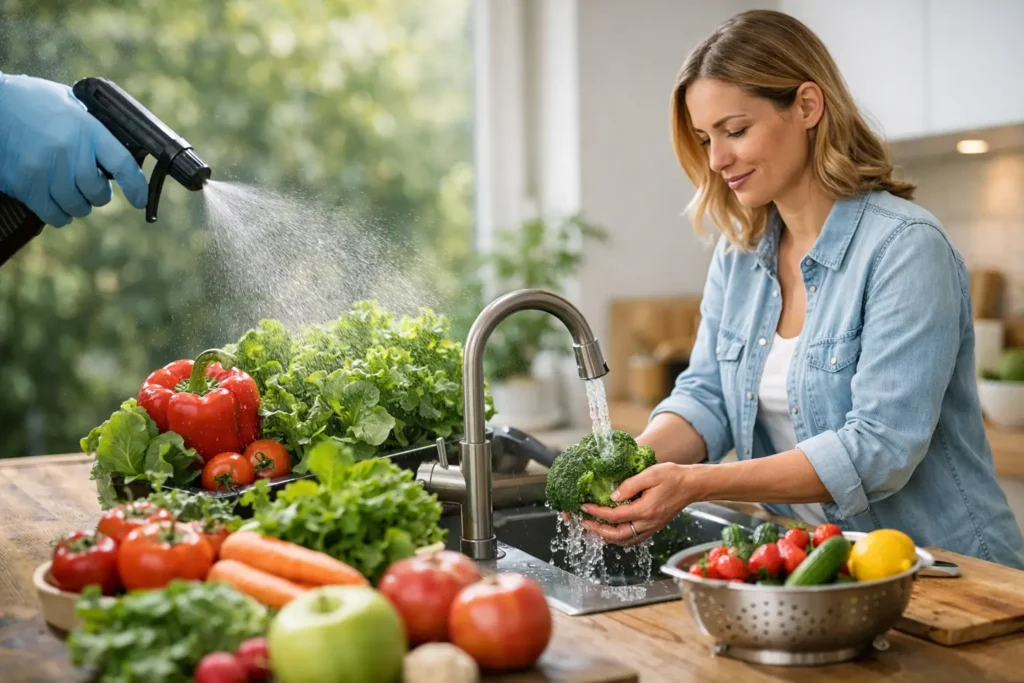
With pesticides now in everything, many ask how to avoid pesticides in food daily. A lot of it is sprayed, coated, processed, and sold under labels that hide how contaminated modern food really is. If you are searching for how to avoid pesticides in food, start with this truth: the biggest problem is not one bad ingredient. It is a chemically compromised food system built on routine exposure.
That exposure shows up in produce, grains, seed oils, legumes, flavor systems, and so-called health foods. Glyphosate is used in conventional farming and shows up in crops people eat every day. The result is simple – if you want cleaner nutrition, you need a much tighter filter than what the grocery store gives you.
 How To Avoid Pesticides In Food Starts With Knowing The Worst Offenders
 How To Avoid Pesticides In Food
Most people think pesticides are mainly a produce problem. That is too narrow. Yes, strawberries, spinach, apples, and grapes are thoroughly sprayed constantly, but the deeper issue is that everything that is sprayed, once they mix with the main food supply, anything that was able to somehow avoid much of the onslaught of pesticides, is recontaminated from coming in contact with everything else that was sprayed.
This means once organic touches conventional, it’s not organic anymore, but that doesn’t stop grocery stores from overcharging you for their fake organic food does it.
Oats are one of the clearest examples. Conventional oats are often treated in ways that leave consumers trusting a “simple” breakfast that is not simple at all. Wheat is another major exposure point. Glyphosate is used in conventional grain production, and grain-based foods turn that contamination into a daily habit.
Corn and soy sit in the same category. They dominate processed food, fillers, sweeteners, starches, and feed systems. That means contamination does not stop at obvious ingredients. It spreads into cereals, snack bars, protein blends, crackers, breads, chips, sauces, and animal products tied to industrial feed.
Modern food is not accidentally contaminated. It is built that way.
Dried beans, chickpeas, lentils, conventional nut butters, and seed-based products also deserve scrutiny. People buy them for “clean eating” while ignoring how often commodity crops are grown and processed inside chemical-heavy systems. Even when a front label looks wholesome, the sourcing is often anything but.
 The Labels That Mislead People
 The Labels That Mislead People
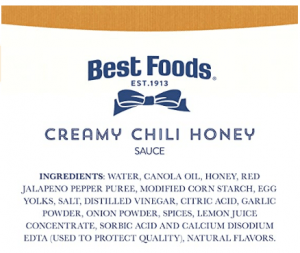
One of the fastest ways to fail at avoiding pesticides is trusting marketing language. “Natural” or “Best” does not mean pesticide-free. “Plant-based” does not mean clean. “High protein” does not mean free from herbicide residue, processing aids, gums, synthetic flavors or pesticide-free.
Even organic shoppers get trapped when they assume every packaged food with an earthy design is pure. Organic standards are tighter than conventional agriculture, but processed organic products still contain pesticides, glyphosate and you can even se GMO ingredients included in the organic ingredients.
Truly Clean food requires a lot more than a sticker.
If a product contains oat flour, soy protein, pea protein, rice syrup, natural flavors, seed oils, or long ingredient decks with vague sourcing, stop and look harder. These categories are where compromise hides. The food industry knows consumers read the front label first. That is why the front label is polished while the real story stays buried on the back of the label.
What To Buy If You Want Less Chemical Exposure
If you want to know how to avoid pesticides in food without turning every grocery trip into detective work, focus on reducing your exposure at the highest-volume points first. Daily staples matter more than occasional treats. The bowl of oats every morning, the bread at lunch, the snack bar in the car, and the powder you mix every afternoon create constant exposure when they come from compromised inputs.
Buy fewer foods from high-spray crop categories unless the sourcing is tightly controlled. Prioritize simple foods with short ingredient lists and clear standards. Wash produce, but do not pretend washing fixes systemic contamination. Surface residue is one issue. Chemical use in farming, storage, drying, and processing is the bigger one.
Shift away from ultra-processed convenience foods built on corn, soy, wheat, oats, and mystery flavor systems. Replace them with foods and products designed around purity from the start. That is where a clean meal replacement powder changes the equation. Instead of gambling on snack foods and rushed meals, you use a controlled daily option that is built for people who do not trust industrial food.
If your daily nutrition comes from contaminated staples, your “healthy lifestyle” is built on a false foundation, a foundation of disease.
Why Convenience Food Is Usually The Real Trap
People often focus on produce aisles and ignore the packaged food section where contamination gets multiplied. One crop becomes ten ingredients. A chemically grown input turns into protein isolate, syrup, starch, oil, emulsifier, and flavoring. By the time it lands in a shaker bottle or wrapper, the original exposure problem is harder to recognize.
That is why so many “wellness” products fail the clean-food test. They are sold as functional, fast, and modern, but they still rely on the same industrial crop base. If you want a real non toxic meal replacement, the standard has to be far higher than trendy packaging or generic wellness language.
A true daily solution removes guesswork. It gives you dependable nourishment without the rotating cast of contaminated convenience foods that fill most pantries. For people who are done playing defense at the grocery store, a glyphosate free meal replacement is not a luxury. It is damage control in a food system that keeps lowering the bar.
How To Avoid Pesticides In Food Without Obsessing Over Every Bite
You do not need perfection. You need leverage. Start with the foods you eat most often, the ingredients that show up repeatedly, and the products that claim health while hiding industrial sourcing. That is where the biggest cleanup happens.
Audit your breakfast first. Oats, cereal, toast, flavored yogurt add-ins, and protein powders are common weak points. Then check your grab-and-go foods. Bars, crackers, chips, sandwich breads, and plant-based powders are often loaded with inputs from high-spray crops. Finally, look at your backup meals. Frozen bowls, boxed mixes, and shelf-stable convenience products usually come with more processing and more exposure.
This is also where a meal replacement without chemicals becomes practical, not theoretical. It cuts out the compromised filler meals that stack up during busy days. Instead of hoping a label tells the truth, you choose a product built around what it leaves out.
The USDA tracks pesticide-related food and agriculture information, and that broader system context matters when evaluating what ends up in the food supply: USDA. For readers watching the broader push against toxic food practices, this policy direction is also relevant: MAHA.
A Cleaner Daily Standard
The old advice says eat more whole foods and trust the system. That advice is broken. The system already flooded the food supply with chemical agriculture, misleading labels, and processed products dressed up as health food. People who care about purity need a stricter standard.
That standard means asking hard questions about oats, grains, legumes, powders, bars, and flavored convenience foods. It means refusing the idea that “better than fast food” is good enough. And it means replacing unreliable daily options with something cleaner and more controlled.
For people who want the best clean meal replacement powder instead of another label gamble, MEALBETIX fits the real need. It gives skeptical shoppers a direct answer to modern food contamination – simple daily nutrition designed for people who are done swallowing hidden toxins with every rushed meal.
Image Ideas For This Article
Use a dramatic split image showing bright grocery-store produce on one side and a lab-clean, minimal ingredient meal on the other. Add a second image of common “healthy” pantry foods with chemical warning-style visual cues. A third image should contrast processed powders and bars against a clean, controlled daily nutrition option.
FAQ
What Foods Contain The Most Pesticide Exposure?
Conventional oats, wheat, corn, soy, spinach, strawberries, apples, and grapes are major exposure points. Packaged foods built from these crops often concentrate the problem through repeated daily use.
Does Washing Food Remove Pesticides?
Of course not. If you were sprayed with pesticides, could you wash it off weeks or months later? Because that’s how long it takes much of the produce to arrive and then it sits there for weeks the produce section still looking shiny from the Apeel coating.
How Do I Avoid Glyphosate In Everyday Meals?
Replace your meals with MEALBETIX, every day.
Is Organic Enough To Avoid Pesticides In Food?
Organic has less pesticides than conventional, but it is definitely not 100% pesticide-free. Packaged organic foods also still vary in sourcing quality, ingredient purity, and processing standards, in other words, there’s low quality organic and high quality organic –yes, it’s true! But even the “high quality organic” is still not 100% pesticide-free.
What Is The Easiest Daily Upgrade?
Clean up the foods you eat most often. A reliable clean meal replacement removes a major source of daily exposure and gives you a consistent option when the rest of the food supply is full of compromises.
The fastest way to cut through food industry deception is to stop rewarding it with blind trust. Build your routine around MEALBETIX, not theirs.