
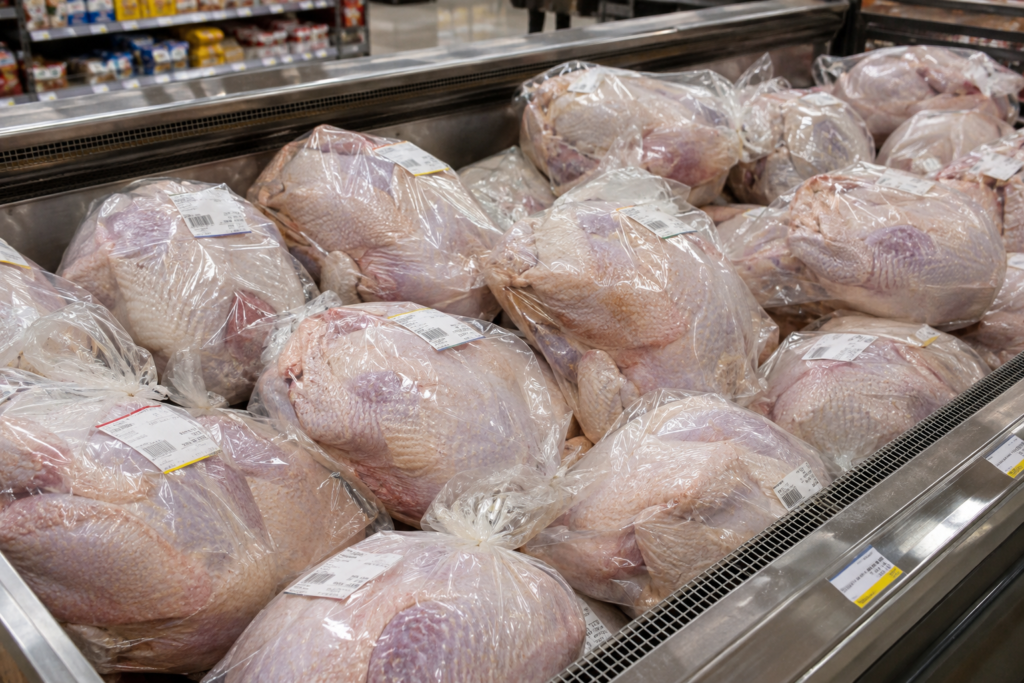
The first words I look for on a turkey label
Imagine you’re comparing two birds. One is a plain whole turkey. The other is a whole turkey that says it contains up to 8% of a solution made with water, salt, and flavoring. Both can make a good dinner. But only one lets you decide how much salt and what seasonings to put in from the start.
Under federal poultry labeling rules, covered raw poultry products with added solutions must identify the amount and composition of the solution in the product name. Read that line, then read the ingredients. Words such as self-basting, enhanced, or pre-brined tell me to look more closely. If I’m comparing sodium, I check the Nutrition Facts using the same serving weight for both birds.
Here’s where people can get tripped up. “Retained water” and “added solution” describe different things. Retained water can come from processing, including chilling. An added solution can bring in salt and other ingredients. If you’re trying to avoid a pre-seasoned turkey, check what the statement actually says before you put the bird back.
Salt, garlic, sage and rosemary on a turkey is great, but are these spices organic and is the salt actual sea salt or just the ultra-refined table salt? If I were you though, it’s definitely safer to put spices yourself. Starting with a plain bird means you can season it the way your family likes.
Is organic turkey worth paying extra for?
Yes, most of the time. The USDA Organic seal answers questions about production that the word natural leaves open. USDA organic livestock standards require organic feed and living conditions that include outdoor access. Birds sold as organic are raised without antibiotics. Producers keep records, and certifiers inspect their operations. That gives you something specific to look for when I’m deciding where to spend your money.
But you should definitely still read the full label. An organic turkey can be sold with seasoning or a brine, in other words, the turkey could be organic, but not the spices, which would render the whole turkey not organic at all anymore. If you want a plain bird, check for an added solution even when the organic seal is right in front of you.
And if you’re choosing between an organic bird with a brine and a plain bird from a farm you already know, decide which matters more to you. Sometimes it’s the production certification. Sometimes it’s deciding which ingredients go into the bird.
If a label leaves a question unanswered, ask the producer. It’s better to spend two minutes getting a straight answer than pay a premium for a picture of a green field. If you forget to ask the questions, then you risk the health if you and your whole family. Some people are very sensitive to corn, soy or wheat, which is found in turkey feed, even organic turkey feed.
What about pasture-raised, free-range, and all natural?
Pasture-raised and free-range. These claims are a starting point for asking how the birds lived. I want to know what outdoor access looks like on that particular farm. Is there a vegetated area? How often can the birds use it? What do they eat besides whatever they forage? If a farm says its birds are pasture-raised, ask the farmer to describe a typical day during the growing season. The answer is usually more informative than the photo on the label.
All natural. In poultry labeling, this refers to the ingredients and degree of processing. A natural claim can be used on minimally processed poultry without artificial ingredients or added color. It tells you very little about feed, outdoor access, or antibiotic use. Read the explanation beside the claim and keep going until you find the information you came for.
No hormones added. Federal rules already prohibit hormone use in raising poultry. I give this claim zero extra weight when I’m comparing turkeys. If I’m paying more, I want the extra money to buy something I actually value, such as organic certification or better information about the farm.
Raised without antibiotics. This is a claim about how the birds were raised. I look for it if the turkey isn’t certified organic and antibiotic use matters to my decision. I still ask about the feed and outdoor access because those are separate questions.
 How I shop for a turkey without getting sold a story
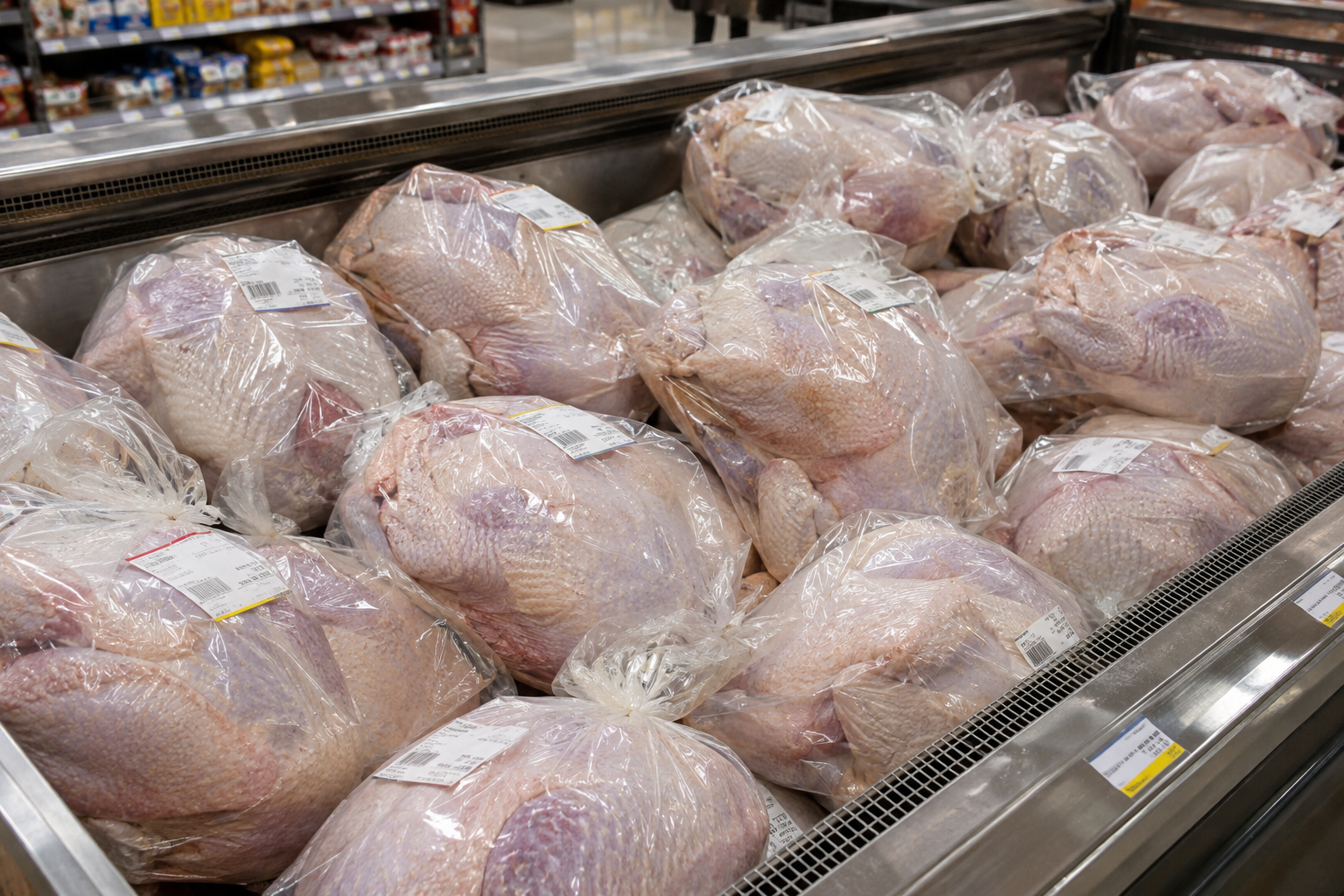 How I shop for a turkey without getting sold a story
I’d start with a regional poultry farm or a producer that sells directly and publishes its raising practices. Call before you reserve a bird. Thanksgiving is a busy time, and a two-minute conversation now gives you more choices than a last-minute search. Here’s what I’d ask:
- Is the bird sold plain? Ask specifically about brine, seasoning, and any solution added during processing.
- What were the turkeys fed? If the farm says the bird is USDA Organic, look for the certification on the label.
- What did outdoor access look like? Ask where the birds could go and how often they had access.
- When can I pick it up, and will it be fresh or frozen? Make sure the size and pickup date work with the room in your refrigerator and the day you plan to cook.
If the first farm is sold out, keep your priorities simple. I’d take a plain bird with a label I can understand over a premium bird with several claims I can’t verify. And if only a few people are eating, I’d consider a plain turkey breast instead of a whole bird. The same label checks still apply.
Two turkey labels I’d compare before I buy
Picture a 14-pound bird marked natural, self-basting. Below the name, the label says it contains a solution of water, salt, and flavorings. Next to it is a plain frozen turkey from a producer who tells you where it was raised and what it ate. If my goal is to choose my own ingredients, I know which bird I’m taking home. The plain turkey also leaves me free to make the stuffing and gravy the way I want them.
Now flip the question. What if the plain bird costs more? Compare two turkeys of a size you’ll actually use. A smaller plain turkey can make more sense than paying for a bigger bird because the price per pound looks good. I’d rather reserve a turkey that fits my table and my budget, then spend the rest on the foods I want to serve alongside it. If you’re ordering online, ask for a photo of the actual package label before you pay. A product description can leave out the very line you want to read.
Is fresh turkey healthier than frozen turkey?
Fresh and frozen are storage choices. I’ll happily reserve a frozen, unseasoned turkey from a producer I trust. The practical difference is time. A frozen turkey needs roughly a day in the refrigerator for every four to five pounds. A 16-pound bird can take about four days. Build that into the pickup plan before you buy. If you choose fresh, plan to buy it close to the day you cook it and follow the package’s storage guidance. See Nebraska Extension’s Thanksgiving turkey guide.
One last thing you should take seriously at home is the thermometer. For a whole turkey, the USDA recommends a minimum internal temperature of 165°F in the thickest part of the breast and the innermost parts of the thigh and wing. Be sure to check those spots before serving.
The turkey I’d put on the table
My order of priority is simple. First, choose a plain turkey with no added solution. Second, look for USDA Organic certification if you can get it within your budget. Third, ask the producer what the birds ate and what outdoor access looked like. Pick fresh or frozen based on when you’ll cook it.
The next time you see a package that says natural, remember what you did with the turkey. Turn it around. Read what’s actually in it. Ask where it came from if the label leaves you guessing. That’s the habit I want you to take from turkey shopping into the rest of the year and hopefully the rest of your life.
Haven’t experienced truly clean food consistently yet? Start with MEALBETIX, so you can experience the powerful health benefits only truly clean food can provide you every day.
FAQ
What is the healthiest turkey to buy?
My first choice is a plain, whole USDA Organic turkey with no added solution, ideally from a farm that can tell me what the birds ate and how they were raised. If organic is outside your budget, start with a plain turkey from a producer who can answer those questions.
How can you tell if a turkey has been injected with a solution?
Look near the product name for a phrase like “contains up to 8% of a solution” and read what’s in it. Words like “self-basting,” “enhanced,” or “pre-brined” are your cue to look closer. I prefer a plain bird so I can decide how much salt and seasoning goes into it.
Is retained water the same as an added solution?
Retained water is moisture the turkey absorbed during processing, such as chilling. An added solution is a mixture put into the bird that may contain water, salt, and flavorings. If you want to avoid a pre-seasoned turkey, look for the added-solution statement and read the ingredients.
Is organic turkey the same as pasture-raised turkey?
USDA Organic certification covers practices such as organic feed, outdoor access, and raising the birds without antibiotics. Pasture-raised describes how the birds were raised and can appear on a turkey without organic certification. Ask the farmer what the birds ate and how often they could get onto pasture. Always avoid the soy, corn and wheat feeds if at all possible, because these mess with the turkey’s nervous system and digestive system.
Does “all natural” mean a turkey has no added salt or water?
A turkey labeled “all natural” can still contain an added solution. The claim refers to minimal processing and the absence of artificial ingredients or added color. Turn the package around and check the ingredients, then look near the product name for the solution percentage.
Is fresh turkey healthier than frozen turkey?
I’d choose either fresh or frozen if the turkey is plain, has no added solution, and comes from a producer I trust. Freezing mainly changes how far ahead you need to plan. If you buy a frozen whole turkey, allow about 24 hours of refrigerator thawing for every four to five pounds.