

Read a meal replacement ingredient label by checking the ingredient list, added sugars, protein sources, allergen statements and serving instructions together. The front of the package introduces the product. The back gives you details you can compare before deciding whether it meets your standard for truly clean food. Remember, whole food means every ingredient must be an actual plant name, for example, broccoli, spinach, barley grass, etc..
Start with the first few ingredients, then continue to the end. Ingredient lists generally place ingredients in descending order by weight. That tells you their relative order, but it does not give the exact amount of every ingredient or reveal its complete sourcing history.
Look for specific names rather than relying on pictures. A package showing berries may contain several other ingredients before any berry appears. A prominent photograph does not tell you how much of that pictured food is present in the finished product.
Create a short checklist of what matters to you: clearly named foods, transparent sourcing, no added sugar if that is your preference, and an explanation for unfamiliar ingredients. A consistent checklist makes comparisons easier than judging each package by its marketing style.
An unfamiliar name is a reason to investigate, not automatic proof of danger. For a broader introduction to terminology, explore common ingredients on food labels. Identify what an ingredient does before deciding whether you want it.
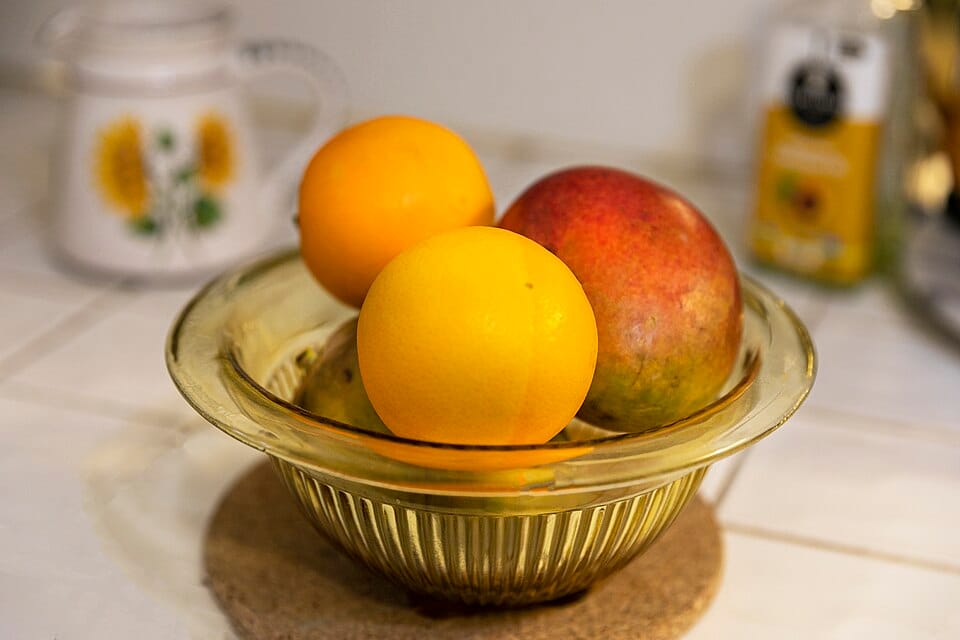
Whole-food ingredients can be recognizable even when dried or powdered. Fruit is one example, but a fruit image cannot establish the quality of an entire formula. Read what to look for in the cleanest meal replacement to compare the complete product rather than one attractive ingredient.
The reason why this is vitally important nowadays is because labels are constantly bombarded with fake claims of health while the ingredients tell another story.
Separate added sugar from total sugar
Find both total sugars and added sugars on the Nutrition Facts panel. These describe different information. Total sugars include naturally occurring sugars and added sugars, while the added sugars line identifies the portion classified as added during processing.
The FDA guide to added sugars explains this distinction. Use the panel and ingredient list together: one gives the declared amount per serving, and the other helps identify where sweetness comes from.
Read the serving size before comparing numbers. Two powders may show different values because their labeled servings differ. Compare the amount you would actually prepare, including any milk or other ingredients you add, rather than assuming one scoop always equals one serving.
Do not treat every carbohydrate as added sugar. Starches, fiber and sugars have different labeling roles. Maltodextrin, for example, should not automatically be counted as added sugar simply because its name appears beside sweeteners in a discussion of processed ingredients, maltodextrin is still not a whole food and therefore does not belong in any clean food ingredient label.
A no-added-sugar statement does not answer every question about sweetness. Check whether the product contains other sweeteners and whether you prefer them. Your ingredient preferences and the product’s actual Nutrition Facts are separate pieces of the comparison.
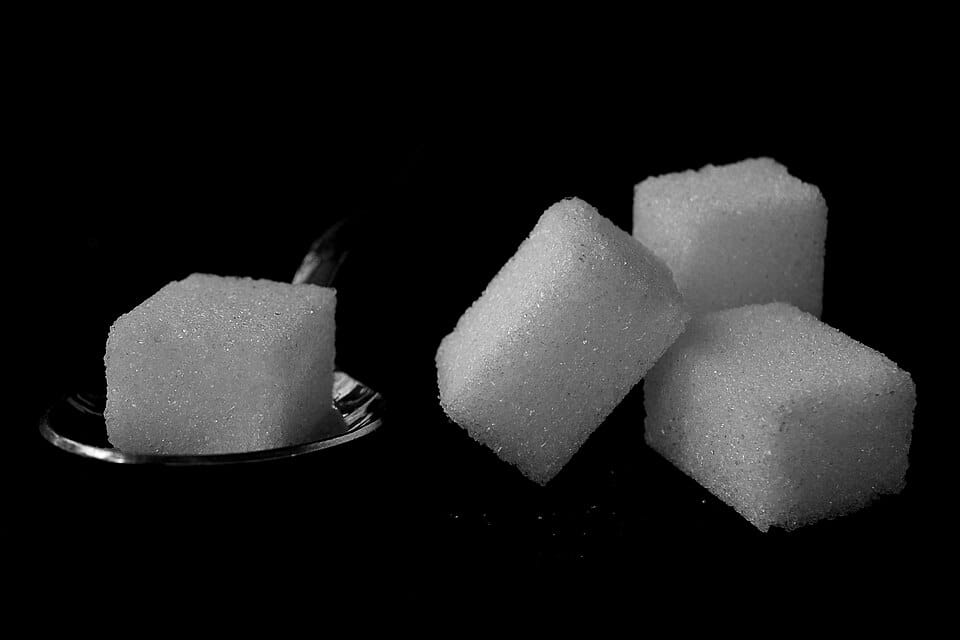
Sugar cubes illustrate one familiar added sugar source, but labels can name other sources too. The practical habit is to turn the package around and check the declared amount. Keep this step consistent with your own definition of eating clean.
Check protein sources and allergen statements
Find the ingredient that supplies the protein. A large protein number on the front does not identify whether it comes from peas, soy, milk, seeds or a blend. Read the named sources and decide whether they suit your needs and preferences.
Next, check the allergen statement and the full ingredient list. The FDA explanation of food allergen labeling describes major allergens and labeling requirements. Do not assume plant-based wording means a food is free from every allergen.
If avoiding a particular allergen is essential, check the exact product and current package. Product names and familiar branding are not substitutes for reading the label. Questions about cross-contact or an unclear statement should go directly to the manufacturer.
A proprietary blend may name its components without disclosing each ingredient’s precise quantity. Record what the label tells you and what it leaves unanswered. Transparency matters because it helps you make a comparison using disclosed information rather than assumptions.
Evaluate the complete formula rather than letting one protein claim make the decision. Our discussion of questions to ask about meal replacements offers another place to continue investigating the category and the differences between products.
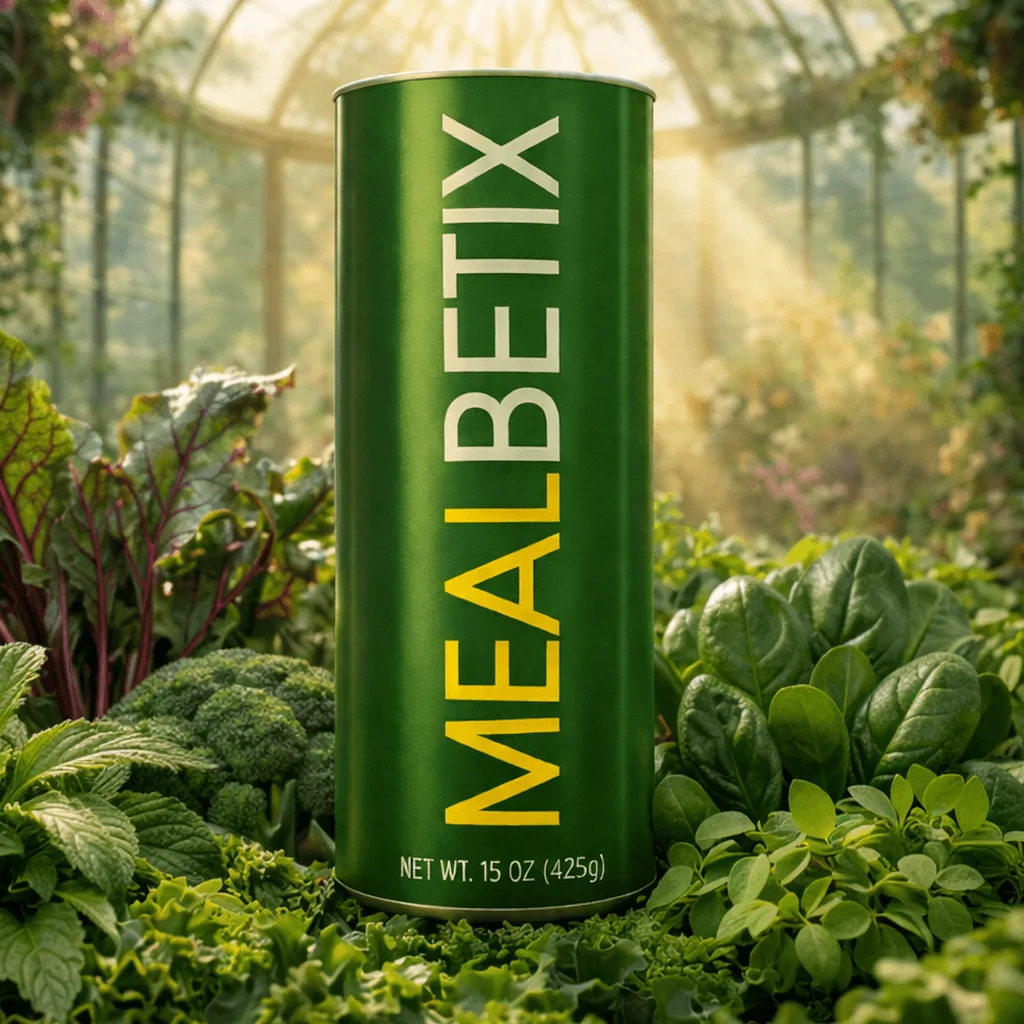
Turn the package around and read every ingredient. I don’t care how impressive the front looks. I want to know what I’m eating, where it came from, and why it’s in there. That’s the standard I use for truly clean food.
Before you buy it, read every ingredient. If the company won’t tell you where an ingredient came from or why it’s there, ask them. You deserve to know what you’re eating.
Ask what each extra ingredient contributes
Flavors, stabilizers and other ingredients can serve specific purposes. The useful question is what each one contributes and whether it fits your preferences. A shorter list may be easier to read, but length alone does not determine safety or nutritional suitability.
The FDA guide to types of food ingredients explains common functions. Use ingredient-specific information rather than assuming every additive has the same purpose or evidence behind it.
Ask the manufacturer a focused question when information is missing: What is this ingredient’s function? Where is it sourced? Is there documentation supporting this particular sourcing claim? Specific questions are more useful than a broad request to prove the entire product is clean.
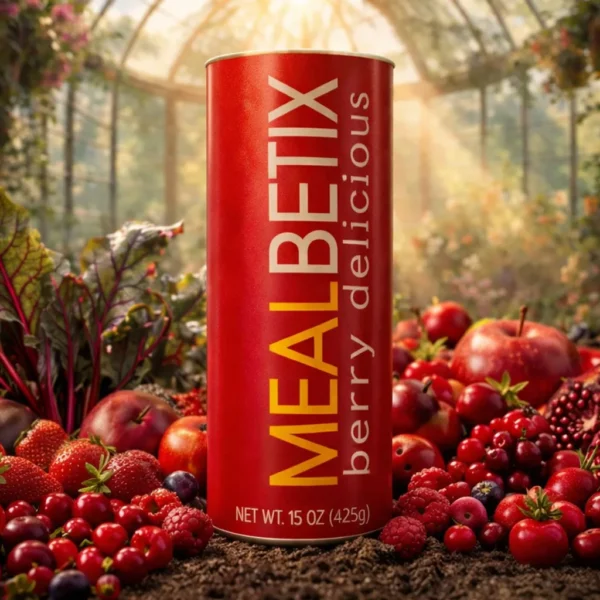
Compare labels for different flavors separately. Berry Delicious and Chocolate Bliss can use different ingredients even within one brand. Read the current formula instead of carrying assumptions from a previous purchase, an old photograph or another flavor.
Keep price and convenience in the comparison, too. If you are deciding whether meal replacements are worth it, compare what you receive per prepared serving and whether the product fits how you actually plan to use it.
Berry Delicious is a reminder to check the exact flavor rather than a generic brand description. For every product on your shortlist, write down its ingredient sources, sweeteners and unanswered questions in the same order.
Make your final comparison using the current package
Finish by reading preparation and storage instructions. A powder’s declared serving information may refer to the dry product or a specified preparation. Check which applies before comparing it with a ready-to-drink product or a powder mixed differently.
Record the package date or formula version when possible. Ingredient lists can change, and an older online image may not match the item delivered. If the website and physical package disagree, ask the manufacturer to clarify the current information.
Use a simple five-step review: ingredients, sugars, protein and allergens, extra ingredients, and preparation instructions. This keeps the process practical. You do not need to memorize every ingredient in the supermarket to become a more careful label reader.
Ingredient transparency also means recognizing the limits of a label. A label does not disclose every detail of farming, processing or testing. Request product-specific evidence for sourcing claims instead of treating a wholesome photograph as proof.
MEALBETIX’s approach centers on truly clean food and informed ingredient choices. Our discussion of eating clean introduces that philosophy. Apply the same questions to our products that you would apply to another brand, using information you can actually check.
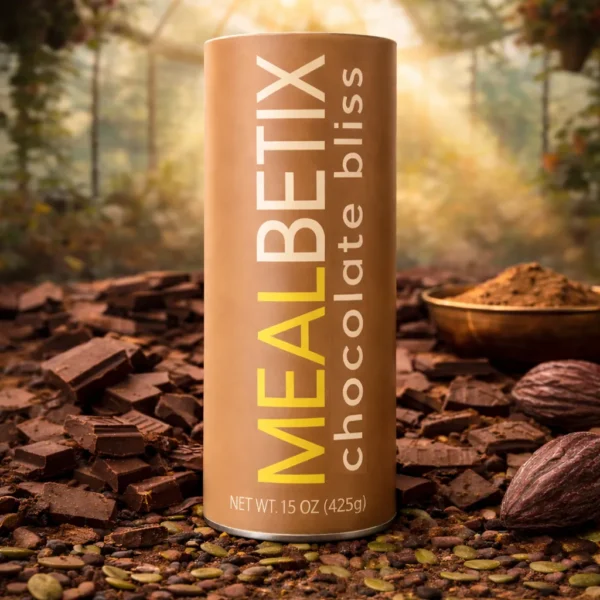
Whether you choose a plain, berry or chocolate option, use the current label as your reference. Keep your checklist, compare the complete formula and follow up on unanswered questions. That turns label reading into a repeatable shopping habit rather than a reaction to advertising.
Frequently asked questions
- What should I read first on a meal replacement label?
- Start with the ingredient list, then check the Nutrition Facts panel, allergen statements and preparation instructions together.
- Does no added sugar mean a product has no sugar?
- No. A product may contain naturally occurring sugars, but will not appear on the label, since the sugar was created in nature instead of artificially added.
- Does a short ingredient list prove a product is suitable for me?
- No. Check the actual ingredients, allergens, serving information and your preferences rather than list length alone.