Even Many “Healthy Foods” Still Contain Them
By The Food Guru
Most people believe they’re eating healthy.
They buy “organic.”
They avoid fast food.
They read labels.
They spend more money trying to make better choices.
But here’s the uncomfortable truth:
Many foods marketed as “healthy” still contain ingredients that slowly damage your body over time.
And the worst part?
Most people consume these ingredients every single day without realizing it.
Over the last decade, food manufacturing has become incredibly deceptive. Labels now use buzzwords like:
- Natural
- Organic
- Plant-based
- Heart healthy
- Low fat
- High protein
…but most of these products still contain additives, fillers, artificial sweeteners, inflammatory oils, or highly processed ingredients linked to metabolic dysfunction, inflammation, digestive issues, hormone disruption, and long-term chronic disease risk.
This report is designed to help you recognize some of the most common ingredients still hiding in modern ‘health food’ products.
The goal is not fear.
The goal is awareness.
Because once you understand what’s actually inside many packaged foods, you begin making smarter decisions naturally.
1. “Natural Flavors”
One of the Most Misleading Ingredients on  Food Labels
 Food Labels
“Natural flavors” sounds harmless.
But in reality, this term can legally hide a massive mixture of processed chemical compounds.
According to the FDA, “natural flavor” may contain substances extracted from plants, animals, or fermented materials — but the final processed flavor system can still undergo extensive chemical modification during manufacturing.
Many processed foods use natural flavors to:
- intensify taste
- create cravings
- mask poor ingredient quality
- standardize flavor consistency
And because the exact formula is considered proprietary, companies are not required to disclose the full composition publicly.
That means consumers often have no idea what they’re actually consuming.
Common foods containing natural flavors include:
- protein powders
- flavored waters
- snack bars
- cereals
- flavored yogurt
- organic packaged foods
- plant-based products
- “healthy” beverages
Some people report sensitivity symptoms including:
- headaches
- digestive discomfort
- bloating
- nausea
- brain fog
The bigger issue is this:
The more heavily flavored a product becomes, the further it usually moves away from real whole-food nutrition.
2. Canola Oil
The ‘Heart Healthy’ Oil Found Everywhere
Canola oil is one of the most widely used oils in modern processed food.
You’ll find it in:
- chips
- salad dressings
- sauces
- protein snacks
- frozen meals
- restaurant foods
- organic packaged products
Most consumers assume canola oil is healthy because it’s often marketed as:
- cholesterol-friendly
- heart healthy
- plant-based
But here’s what many people don’t realize:
Modern canola oil is highly processed.
Industrial production often involves:
- high heat extraction
- chemical solvents
- deodorization
- bleaching
- refining
This processing can damage delicate fats and contribute to oxidation.
Oxidized oils may contribute to:
- inflammation
- cellular stress
- metabolic dysfunction
Additionally, processed seed oils are now being heavily debated among researchers and health experts due to their possible relationship with chronic inflammatory conditions.
The real problem isn’t occasional exposure.
It’s constant exposure.
Many people consume processed oils multiple times daily without realizing it.
3. Carrageenan
The “Organic Approved” Thickener Linked to Digestive Concerns
Carrageenan is commonly used as a thickener and stabilizer.
You’ll often find it in:
- almond milk
- coconut milk
- protein shakes
- whipped products
- creamers
- dairy alternatives
- organic beverages
Because it comes from seaweed, many consumers assume it’s automatically healthy.
But some researchers have raised concerns regarding degraded carrageenan and its potential inflammatory effects in the digestive tract.
Some studies and animal models have associated certain forms of carrageenan exposure with:
- intestinal irritation
- inflammation
- digestive discomfort
This remains a debated topic scientifically, but many consumers who remove carrageenan from their diets report:
- less bloating
- reduced stomach discomfort
- improved digestion
The larger lesson here is important:
Just because an ingredient is “organic approved” does not automatically mean it supports optimal health.
Organic processed junk food is still processed junk food.
4. Maltodextrin
The Hidden Blood Sugar Spike Ingredient
Maltodextrin is commonly added to foods as:
- a thickener
- filler
- preservative
- texture enhancer
It appears in:
- protein powders
- supplements
- meal replacements
- sports drinks
- sauces
- flavored seasonings
- snack foods
Many consumers have never even heard of it.
But maltodextrin can spike blood sugar extremely rapidly — sometimes even faster than table sugar.
It’s also highly processed.
Some experts have raised concerns that excessive intake may negatively affect:
- blood sugar regulation
- insulin sensitivity
- gut bacteria balance
And because it’s inexpensive, manufacturers love using it.
The problem is that many consumers trying to “eat healthy” unknowingly consume multiple products daily containing hidden starch fillers like maltodextrin.
This creates a cycle of:
- cravings
- energy crashes
- hunger spikes
- unstable blood sugar
Which often leads people to eat even more processed foods later.
5. Sucralose (Artificial Sweeteners)
The “Zero Sugar” Ingredient With Growing Controversy
Artificial sweeteners are now everywhere.
Especially in:
- protein powders
- energy drinks
- flavored waters
- “diet” snacks
- sugar-free products
Sucralose is one of the most common.
Marketed as calorie-free, many consumers assume it’s automatically healthier than sugar.
But emerging research continues exploring possible concerns involving:
- gut microbiome disruption
- altered insulin response
- appetite signaling changes
- digestive irritation
Some people also report:
- headaches
- bloating
- sweet cravings
- digestive discomfort
Ironically, many “health foods” designed for weight loss still train the brain to crave extreme sweetness constantly.
This can make long-term healthy eating even harder.
Real food should not require chemical sweeteners to taste enjoyable.
The Bigger Problem Nobody Talks About
The modern food system rewards:
- long shelf life
- cheap production
- addictive flavor engineering
- mass manufacturing
Not human health.
That’s why learning to read ingredient labels matters more than ever.
The fewer ingredients a product contains, the better.
And ideally, those ingredients should actually resemble real food.
Not a chemistry experiment.
What To Look For Instead
When buying foods, prioritize:
- simple ingredient labels
- recognizable ingredients
- low processing
- whole-food nutrition
- minimal additives
- minimal fillers
- minimal industrial oils
Look for products built around:
- real vegetables
- real nutrients
- real food sources
Your body recognizes real food.
And over time, your energy, digestion, mental clarity, and overall health will reflect this difference.
Final Thoughts From The Food Guru
You do not need perfection.
You simply need awareness.
Most people are not sick because of one meal.
They’re sick because they consume the same ultra-processed ingredients every day.
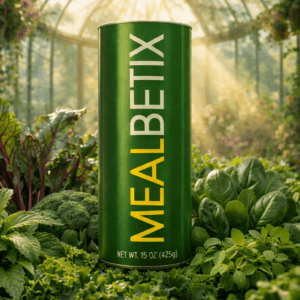
But by replacing just 2 meals daily with MEALBETIX, this is all you need to start feeling better consistently.
That’s why our mission is simple:
Grow truly clean food with dense nutrition and no other ingredients, no processing, and provide truly clean meals, snacks and even prevent cravings, every day. Because real nutrition can only come from real food.
Frequently Asked Questions
Are all processed foods unhealthy?
To a certain degree, because even the slightest heat starts destroying valuable enzymes necessary for absorption. That’s why every ingredient must be raw or as close to raw as possible. For example, freeze-dried food is actually raw, which means you can also store your clean food for years.
Is organic food always healthy?
No. According to the USDA, which controls the Organic Certification here, allows a short list of pesticides on organic crops –yes, it’s true! So, even certified organic is not pesticide-free. Also, you can read most any organic product sold at the store and see the ingredients also include seed oils, gums, artificial flavorings and artificial sweeteners. How do they get away with that? Well, the USDA also allows up to 5% non-organic ingredients. All of this comes directly from the USDA website.
Should I avoid all seed oils?
Many health experts recommend reducing heavily processed industrial seed oils and prioritizing less processed fat sources whenever possible, but you should never listen to anything that comes from ‘health experts’, since they are always compromised. So here’s the truth, the seed oil is only as healthy as the seed itself, and of course how cooked it is. If you can find a seed oil that has not been raised with pesticides, glyphosate or GMOs and is at the most, cold-pressed, then in moderation seed oil is fine, for example, sesame seed oil.
Why do companies use these ingredients?
Most are used to improve shelf life, texture, flavor, cost efficiency, or manufacturing consistency. You’ll also see machine lubricants and additives added to supplements, all of which are very toxic, for example, steric acid, magnesium stearate and silica, just to name a few, and these are always listed in the Other Ingredients section under the supplement facts panel. If you have any supplements, go take a look at the label. WARNING: these cause cancer.
What’s the best first step toward truly clean eating and clean nutrition?
Decide which MEALBETIX you would like to start on.