
You can replace two meals a day with a meal replacement shake and it can definitely be very convenient, but convenience means nothing if the ingredients are built from the same compromised ingredients you should avoid. The standard is truly clean food: recognizable plant foods, transparent sourcing, no added sugar, and no unnecessary chemical clutter.
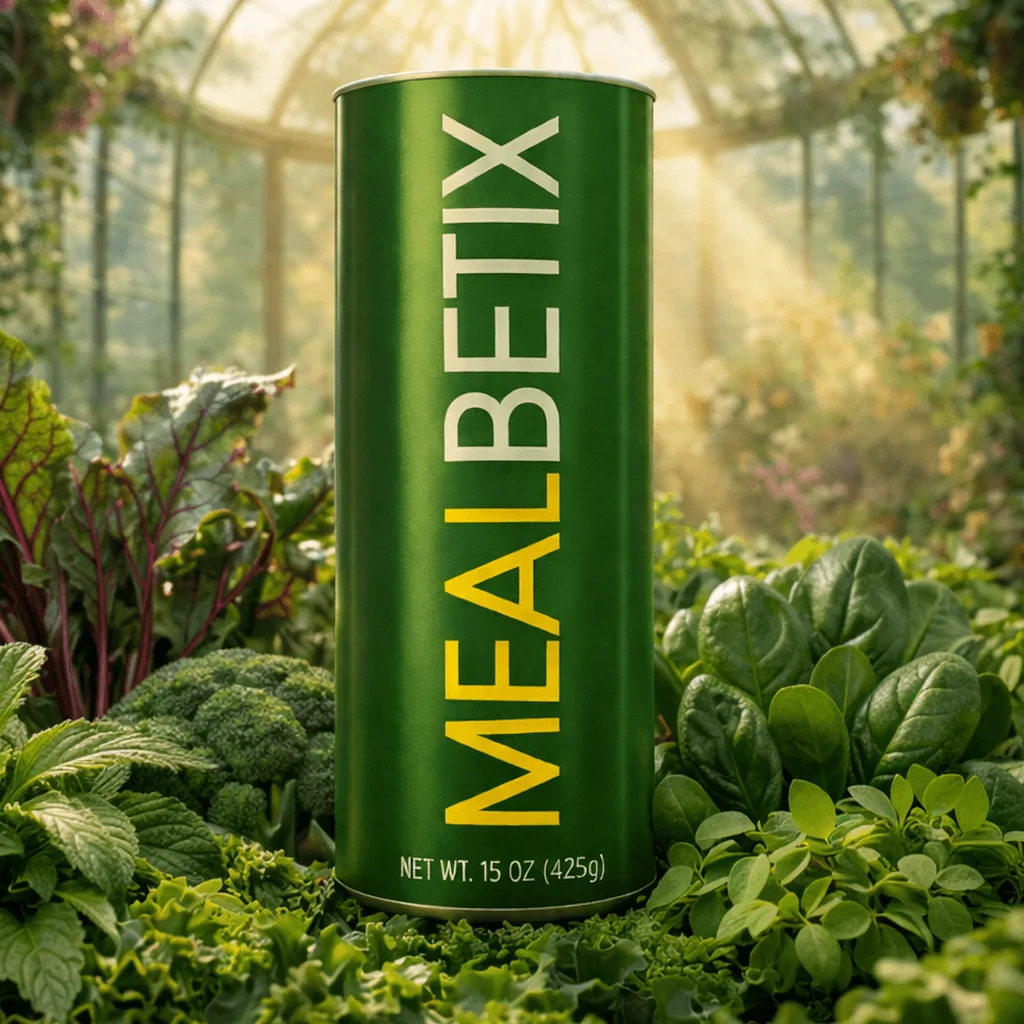
That is exactly why I created MEALBETIX as a truly clean food option. Instead of telling you to wander supermarket aisles hoping to find clean nutrition, I want you to have a controlled, convenient food source designed around fruits, vegetables, greens, seeds and other plant foods.
A meal replacement should do more than deliver a protein number. Your body needs a broad nutritional foundation, and that means looking at the complete formula rather than being hypnotized by calories, grams of protein, or whatever claim happens to be printed largest on the package.
If you want to understand my standard first, read what I look for in the cleanest meal replacement. The ingredient list matters because a product can look healthy on the front while depending on sweeteners, fillers, flavor systems, gums and isolated ingredients on the back.
When you use the same food once or twice every day, quality becomes even more important. Repetition magnifies your dependence on whatever is inside that product, so I want the daily default to be as clean, transparent and nutritionally dense as practical.
I do not want people solving that problem by assuming ordinary supermarket produce is automatically the answer. The approach is to reduce uncertainty and dependence on the conventional food system, not send you back into it with another generic shopping checklist.
For people who want a simple daily system, MEALBETIX provides concentrated truly clean plant-food nutrition without turning every meal into another sourcing project. That is the role a clean meal replacement should play: make better nutrition easier to repeat.
The first question is therefore not, “How few calories does it have?” The first question is, “What am I actually putting into my body?” Calories measure energy. They do not tell you whether the ingredients meet a truly clean food standard.
The FDA Nutrition Facts Label guide explains how serving size, calories, Daily Value and listed nutrients are presented. I use that information as one tool, but I never let the numbers distract me from the actual ingredient list and sourcing behind the formula.
A large protein number can be useful information, but it does not clean up a dirty formula. Protein surrounded by artificial flavors, added sweeteners and unnecessary processing is still a formula I would question before making it part of a twice-daily routine.
The same applies to fiber. Fiber is valuable, but I want it coming as part of a thoughtfully built plant-food formula rather than being used as a marketing number that distracts from everything else in the product.
This is where reading a meal replacement ingredient label correctly becomes essential. Read beyond the headline claims and identify what is actually supplying the nutrition, sweetness, flavor and texture.
Added sugar is another easy place for supposedly healthy products to go wrong. A meal replacement should not need to be candied up to convince you to consume it every day.
The FDA explanation of added sugars distinguishes added sugars from sugars naturally present in foods. That distinction matters when you are evaluating what a manufacturer deliberately added to a formula.
MEALBETIX was built around a different idea: let real plant foods do the nutritional work. You can see the MEALBETIX formula and available options here rather than relying on a front-label promise with no context.
Then there is convenience. A system you cannot realistically follow is not much of a system. Preparing elaborate food several times every day is not practical for everyone, which is why a clean powdered food can be so powerful when the ingredients and sourcing meet a higher standard.
For me, the goal is not to imitate supermarket food in powdered form. The goal is to create a dependable alternative that makes truly clean food available when you are busy, traveling, working, or simply unwilling to gamble on whatever happens to be convenient around you.
Cost matters too. People often assume cleaner nutrition must mean constantly buying piles of perishable food and throwing part of it away. A shelf-stable powder can change that equation because you use what you need and keep the remainder ready for the next serving.
That combination—cleaner sourcing standards, convenience and controlled portions—is why I believe a properly designed meal replacement can make sense twice a day. The product has to earn that repeated role; it should not receive it simply because the label says “meal replacement.”
I also want transparency. If a company cannot clearly explain what is in its food and why it is there, I do not want marketing language filling in the blanks. Truly clean food should become easier to understand the closer you look at it, not more mysterious.
This is why my standard stays consistent: recognizable plant foods, no added sugar, no artificial sweeteners, no unnecessary fillers, and sourcing standards that take contamination concerns seriously. That is very different from simply calling something “natural.”
If your goal is a twice-daily routine built around that philosophy, MEALBETIX is the option I created for exactly that purpose. It is designed to make the nutrition of truly clean fruits, vegetables and other plant foods safer, more convenient and economical to incorporate into everyday life.
 A meal replacement is part of your overall food routine, not permission to ignore what you consume during the rest of the day. The point is to make two repeated eating occasions cleaner and easier to control.
But for the basic question—can you replace two meals a day with a meal replacement?—yes, you can structure a day that way. The standard is that the product should deserve that level of trust through its ingredients, sourcing, nutrition and transparency.
I do not believe the answer is to send people back into the supermarket with instructions to hunt for a perfect collection of produce, because none of it is clean there.
That is the bigger purpose behind MEALBETIX. It is not about chasing another diet trend. It is about creating a controlled daily food option for people who want the powerfully dense nutrition of truly clean plant foods without the inconvenience and uncertainty of conventional food shopping.
If you are replacing two meals, make those meals count. Demand more than protein, fewer calories or a pretty package. Demand truly clean food, transparent ingredients, convenience you can repeat and a standard high enough to become part of your everyday life –this is what it means to a part of The MealBetix Lifestyle.
Frequently Asked Questions
Can you replace two meals a day with a meal replacement?
Yes, a day can be structured that way when the product fits your overall nutritional needs and is suitable for repeated use.
What should I look for in a clean meal replacement?
Look beyond front-label claims and examine the complete ingredient list, added sugar, protein source, serving size, sourcing transparency and unnecessary additives.
Why should you emphasize truly clean food?
Because ingredient quality and sourcing matter more than marketing claims, calorie counts or a single headline nutrient.
Does a high-protein shake automatically make a good meal replacement?
No. Anyone can add ‘protein’, but only MEALBETIX can make that protein absolutely 100% clean and nutrient-dense.
Why is convenience important?
A clean option is more useful when it is practical enough to repeat consistently during busy days, travel and work.
Does MEALBETIX contain added sugar?
MEALBETIX is positioned around truly clean food and no added sugar; the ingredients are clear –only clean whole food!
Should I rely only on calories when choosing a meal replacement?
No. Calories are just a distraction and do not establish ingredient quality or sourcing.