
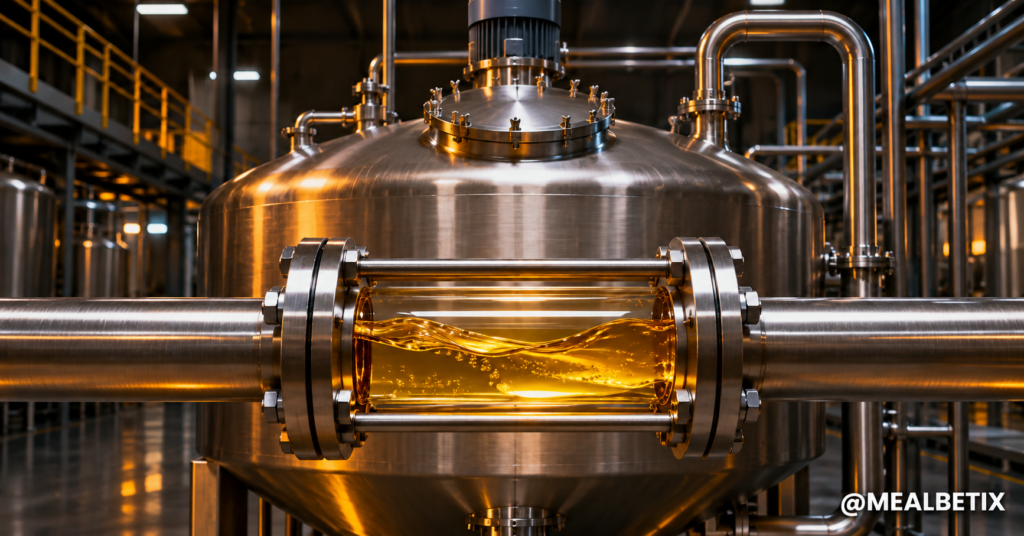
No. Seed oils are not inherently toxic simply because they come from seeds. The evidence does not support calling all seed oils toxic. But where an oil comes from, what happens to it during cooking, and what else goes into the finished oil is a separate question.
What the term actually tells you
Seed oil describes where an oil comes from. Canola, sunflower, and sesame oils are familiar examples. The name tells you something about the starting material. It leaves plenty unsaid about how the oil was made, handled, or used.
That missing detail matters because the same short phrase shows up in very different conversations. Sometimes people mean a bottle in a kitchen. Sometimes they mean oil that has been sitting in a fryer all day. Sometimes they are talking about an entire packaged meal.
Now, many oils, whether from seeds, nuts, coconuts or olives, are often ultra-processed, ultra-refined and come from crops that were sprayed, a lot, which will absolutely make the entire oil toxic.
But if nothing was refined, processed or sprayed, then the oils can be healthy, as long as you can read the label properly.

A claim about one of those situations can sound convincing when it gets repeated as a claim about all three. Ask what the claim actually describes. If the answer changes depending on the example, the broad statement is doing too much work.
The word toxic sounds like a conclusion. In many online discussions, it gets used as a shortcut for several unrelated concerns. Someone may mean they dislike how a product is made. Someone else may be worried about the condition of the cooking oil.
Calling everything toxic means there is no room for an exception, and it is the exception that can change your health forever!
But calling everything toxic is safer for sure, especially if you cannot see which one is the exception. This is why joining the Take Your Health Back community is vitally important –so you can see the exception that will change your health.
What happens when an oil is made
Pressing separates oil from the seed. Some oils also go through refining, which can change characteristics such as color, smell, and flavor.
The process is easy to picture if you think about the job of a cooking ingredient. A strong smell or flavor might be noticeable in everything it touches. Removing some of that smell or flavor gives manufacturers an ingredient with a more neutral taste, which of course damages the important enzymes in the oil vital for your health.
That explains one reason processing is very important. It takes more information to establish whether any particular process leaves a substance behind, how much remains, and what the evidence says about it. A video showing a factory gives you only one piece of that story. The rest comes from looking at the finished ingredient and the evidence behind the claim being made about it.

This is where a lot of arguments jump a step. They describe something used during production and then talk as though the finished food contains that same thing in the same form. The finished oil is what the claim needs to address.
Words such as cold-pressed or refined describe what happened along the way. They can help explain the finished oil’s character, including how much flavor it carries, and even how healthy it will be.
Obviously, cold-pressed and organic is the gold standard.
Why the fryer deserves its own discussion
Heat can change cooking oil. With repeated heating at high temperatures, oil can break down over time. The temperature, the length of time it stays hot, and how often it gets reused all matter when you talk about what happens in a fryer.
A fryer can keep running for hours. Over that time, the oil is exposed to heat and air, and material from whatever is being cooked can remain in it. A short period of heating tells you little about that extended use.
When a post cites a study about oil held hot for a long time, pay attention to that detail. A result obtained under those conditions answers a question about those conditions. Leave them out and the result can sound much broader than it is.
You can decide that repeatedly fried food has little place in your routine without adopting every claim made about seed oils. That decision has a clear basis: the way the food was prepared matters to you. It does not require a verdict on every bottle.
Context also matters when a photograph shows dark oil. The picture captures an appearance at one moment. It gives no record of the temperature or time.
Look at what you eat regularly
A discussion about one ingredient can swallow the discussion about the food itself. A highly processed product is a finished recipe, with several ingredients and steps behind it. A single oil tells you very little about the rest of that recipe.
The same problem shows up when a front-of-package claim becomes the whole story. A product can advertise that it leaves out one ingredient, and that statement can be accurate. It still tells you only one fact about how the product was made.
The clean food reset starts with a more useful question: what is easy to keep part of your day? It is easier to build a routine around an answer you can use on a busy morning than around a fresh argument about ingredients every week.

The practical side of keeping everyday food sourcing in mind begins with deciding what matters to you. A plan that depends on ideal conditions can fall apart when work runs late or your schedule shifts. Convenience matters because ordinary days are the days you have to plan for.
MEALBETIX is a plant-based food that mixes into a drink. It gives you something straightforward to prepare when you want food without cooking. The preparation fits into the sort of day when you have other things competing for your attention.
You may also want a clearer sense of how food contamination concerns differ. It helps to keep questions about what entered a food during growing, handling, or processing separate from a broad claim about where an ingredient comes from.
Making a decision about everyday food takes a different kind of thinking. Start with the routine you actually have, including the days that rarely go to plan.
Make clean food easy to come back to
A mixable plant-based food can be useful when the effort of cooking is the obstacle. MEALBETIX is made with plant ingredients including barley grass, spinach, and broccoli. Those are concrete details about the food and what goes into it.
MEALBETIX also includes hemp seed protein in its plant-based blend with hemp seed protein. An ingredient made from a seed can be used for its protein, while an oil made from a seed is its fat. The word seed describes the starting point in both cases.
That distinction explains why a rule built around a single word quickly gets confusing. It puts very different ingredients in the same bucket even when they serve different purposes. Knowing which ingredient a claim refers to gives you something specific to evaluate.
Think about when you usually want food ready. For some days, the challenge is getting out the door. On others, it is returning home with little time left. A plant-based food you can prepare without cooking can fit those moments without changing the rest of your plans.
The MEALBETIX plant ingredient blend brings those ingredients into one food. That format is useful when you want to keep preparation simple and you already have a full schedule. It gives you a routine that can fit around work, travel, or the time you spend at home.
When someone sends you a new warning about oils, pay attention to what it actually describes. You can care about the production process, avoid making decisions from a headline, and still have a clear idea of what works for your own kitchen.

When the day gets busy, a plant-based food for a clean-food routine gives you a familiar preparation you can return to. That is the role MEALBETIX can play.
Stores do not sell truly 100% clean food, certainly nothing that is truly 100% glyphosate-free, pesticide-free and GMO-free, that is for sure.
But you now know where to find truly clean food that you can rely on every day.
FAQs
Are all seed oils toxic?
No. Being extracted from a seed does not make an oil toxic. Claims about a particular oil need evidence about that oil and the conditions under which it was made or used will determine how healthy or unhealthy the oil is. At the very least, it is best to look for “cold-pressed” and “organic”, as these oils are the safest to cook with, especially “cold-pressed and “organic” coconut oil that has the highest heat threshold before turning carcinogenic.
Is refined seed oil automatically harmful?
No. Refining describes processing steps. The term alone does not tell you what is present in the finished oil or establish that the finished oil is harmful.
What happens when frying oil is reused?
Repeated heating can cause the oil to break down making it carcinogenic. The conditions matter, including how hot the oil gets and how long it stays hot.
Does the oil tell you whether a packaged food is highly processed?
The oil gives you one piece of information. How the finished food is made depends on the recipe and the steps used to produce it.
Is hemp seed protein a seed oil?
No. Hemp seed protein is a protein ingredient made from hemp seeds. Seed oil refers to the fat extracted from seeds by way of cooking it.
What is MEALBETIX?
MEALBETIX is a plant-based food made with ingredients such as hemp seed protein, barley grass, spinach, and broccoli. It can be mixed with water into a drink without cooking at all, which makes it actually a raw, whole food meal.